Chip Bee Science Play Dates
LEARN THROUGH PLAY!
Garden Wonders
This week we explore the garden more deeply, learning about insects, different leaf patterns, plants and vegetables.
Please ensure every child is accompanied by a guardian and wears clothes that can get dirty.
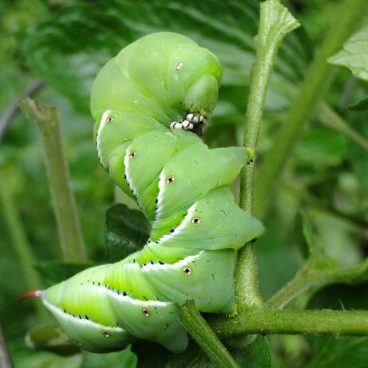
Zoology: A Bug’s Life
In every garden, there are tiny creatures crawling around. Let’s find out who they are! This week we will go on a bug hunt in the garden using magnifying glasses. We talk about how important it is to look and not touch the animals so that both humans and animals can live happily together.
Learning objectives: Foster an appreciation for garden insects and understand their role in the ecosystem.
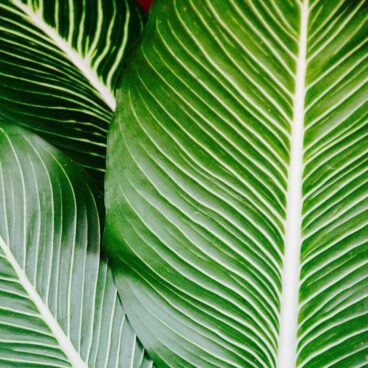
Botany: Hidden Leaf Patterns
Every leaf in the garden has a different pattern, texture, and shape. Let’s discover these natural designs! Let’s work together to find different types of leaves in the garden and use paint to discover the hidden patterns within each leaf. We compare and contrast the unique patterns of each leaf. Each child will have a painting to take home.
Learning objectives: Recognize and appreciate the diversity of leaf designs in nature, and understand that each plant has its own unique identity.
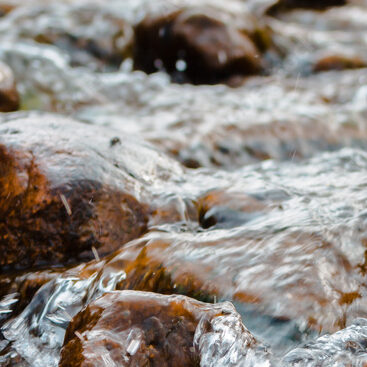
Physics: Waterways in the Garden
In the garden, water has its own path, and it’s influenced by different shapes and surfaces. We create mini waterways using soil, sand, and small pebbles. The children can shape the soil to create valleys and hills. Provide them with small cups of water and let them pour the water to observe how it flows. Discuss where water collects, where it flows fastest, and where it gets absorbed. As an added experiment, place objects like leaves or twigs in the water’s path to observe how they influence the flow.
Learning Objectives: Understand the basic principles of fluid dynamics in a tangible and hands-on way. Learn how landscapes can influence the direction and speed of water flow.
Materials Science: Natural Builders
Nature offers a variety of materials that have been used by humans for shelter, tools, and art for centuries. Let’s see how we can build using what the garden provides! We provide children with clay as a base and let them search the garden for twigs, leaves, stones, and other natural materials. We encourage them to build a “bug hotel” using the materials they’ve found combined with the clay. Discuss which materials were easiest to build with and which ones looked the prettiest or most interesting.
Learning objectives: Understand the various properties and uses of natural materials. Foster creativity and problem-solving skills by building with different resources.
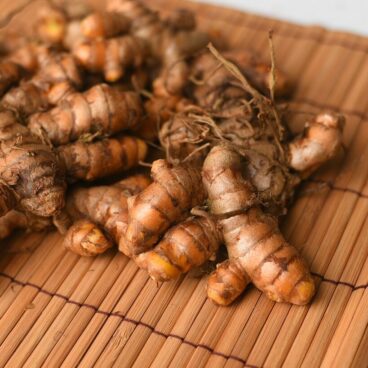
Chemistry: Nature’s Colours
Nature is filled with colours, and some of them can be used as natural dyes. We play with garden flowers, local vegetables, or leaves (like blue pea flowers, roselle, pandan, dragon fruit, turmeric and bitter gourd) to stain white paper or cloth and observe the colour changes and patterns created.
Learning objectives: Introduce the idea that natural items can have chemical properties that produce colours and can be used as dyes.